Starship reaches orbit on its fourteenth flight
On its fourteenth flight Starship entered Earth orbit for the first time and released 26 Starlink satellites. It did not attempt the ship-to-ship refuelling a Mars flight needs.
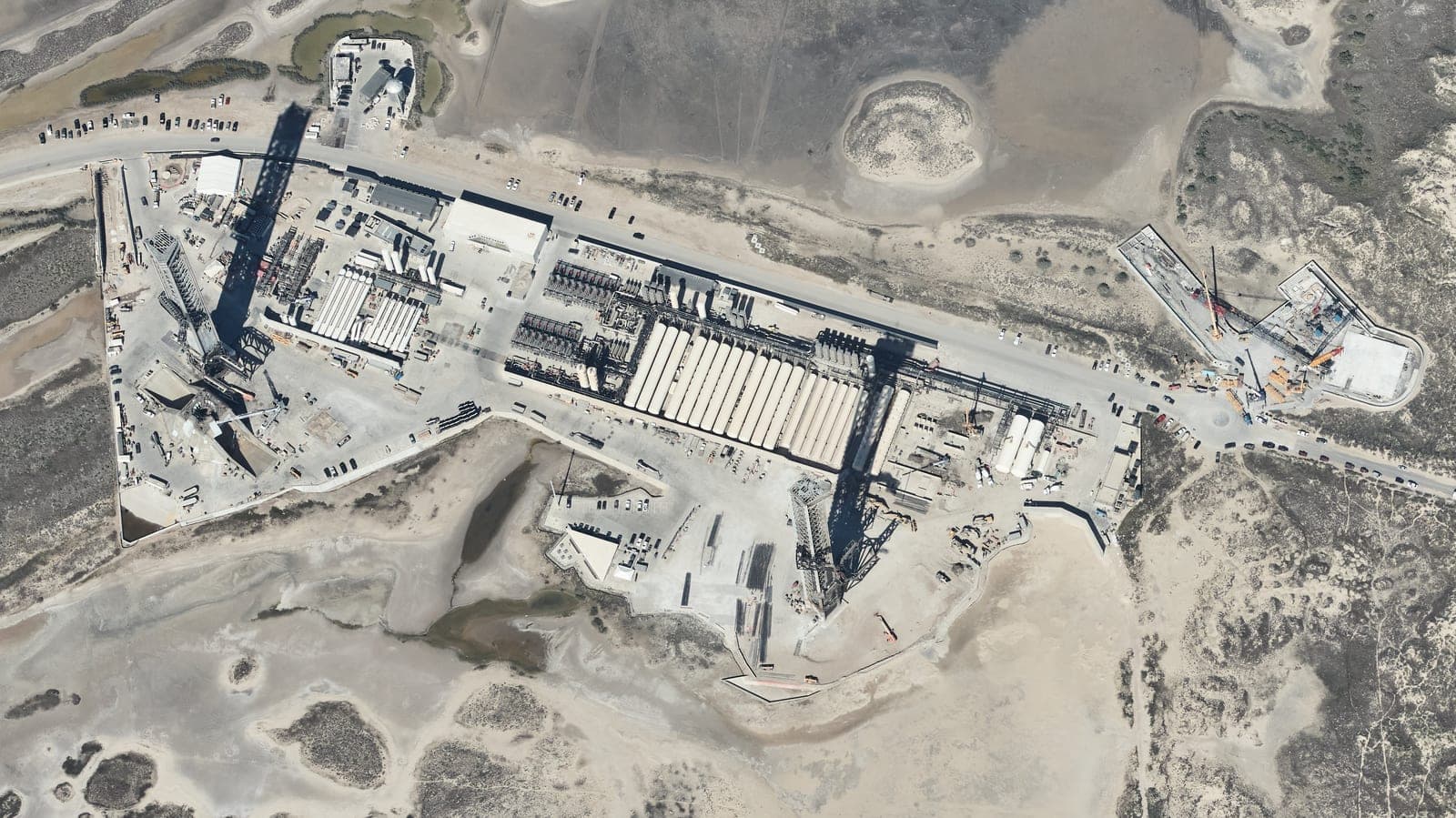
At 7:48 a.m. CDT on 28 September 2026, 12:48 UTC, Starship lifted off from Starbase, Texas, on its fourteenth flight. The rocket has two stages: a Super Heavy booster with 33 Raptor 3 engines, and an upper stage, itself called Starship, with six. Less than half an hour after liftoff the upper stage relit one engine and entered orbit around Earth. SpaceX called it the first orbital Starship flight. The first thirteen had been kept on "passively safe" suborbital paths, which bring the ship down in a pre-determined area even if control is lost.
The flight did not go fully to plan. One booster engine shut down during the climb, and one of the ship's three vacuum engines, designed for use in space, stopped early; the other five burned longer to make up the difference. After a short coast the ship released all 26 of its Starlink V3 satellites, and SpaceX made contact with every one. SpaceX called it the first Starship flight to deliver meaningful payload to orbit.
The plan had been about six orbits and a splashdown west of Chile. Citing "the engine issue experienced during ascent", SpaceX cut that short. After about two hours the ship relit one engine for the first Starship deorbit burn and came down on target in the northern Pacific, some three hours after launch. It then tipped over and exploded. The booster splashed down in the Gulf of Mexico.
A Starship flying to Mars would have to be refuelled in orbit by tanker Starships, which first requires Starships that reach orbit. SpaceX says orbital flights will allow "the first orbital propellant transfer", a test it targeted in October 2025 for 2026. Neither stage attempted a catch by the launch tower's arms on this flight. Elon Musk developed Starship for Mars, but in February 2026 said SpaceX would put the Moon first.